Rekeying Vs Changing Locks: Which Makes Sense For Your Property
When you no longer know exactly who has keys to your property, updating the locks is a sensible next step. But that does not necessarily mean removing every lock and starting again.
The choice between rekeying and changing locks depends on what you are trying to achieve, the condition of the existing hardware and whether you want to change how the locks function. Understanding the difference can help you make a practical decision after moving, losing keys, changing tenants or reviewing your property security.
What’s the Difference Between Rekeying and Changing Locks?
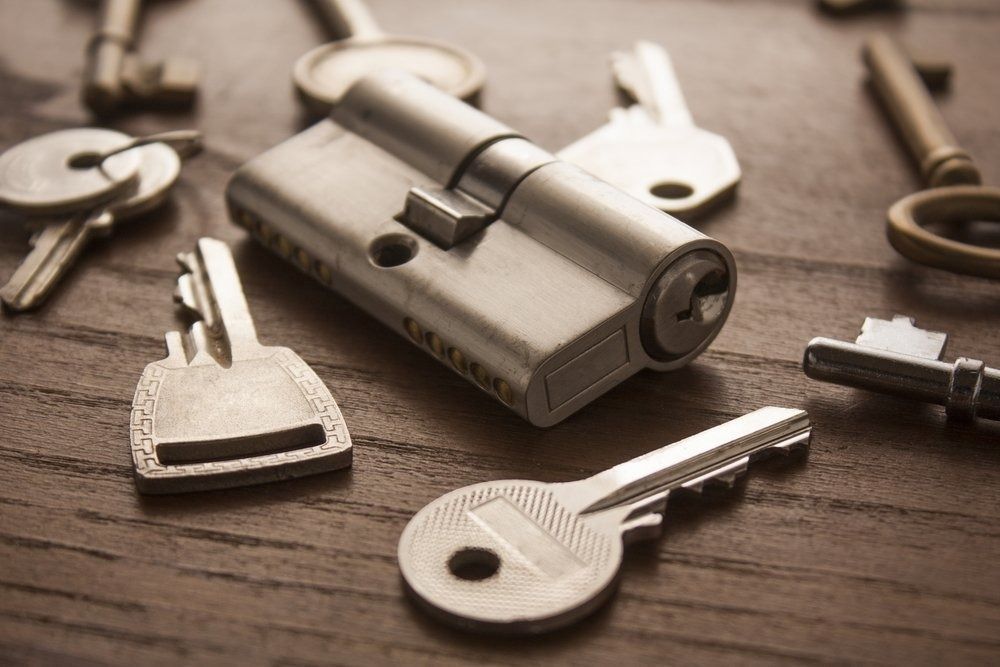
Rekeying keeps the existing lock hardware in place but changes the internal mechanism so the old key no longer operates it. A locksmith adjusts the lock to work with a new key, allowing you to regain control over access without replacing the entire unit.
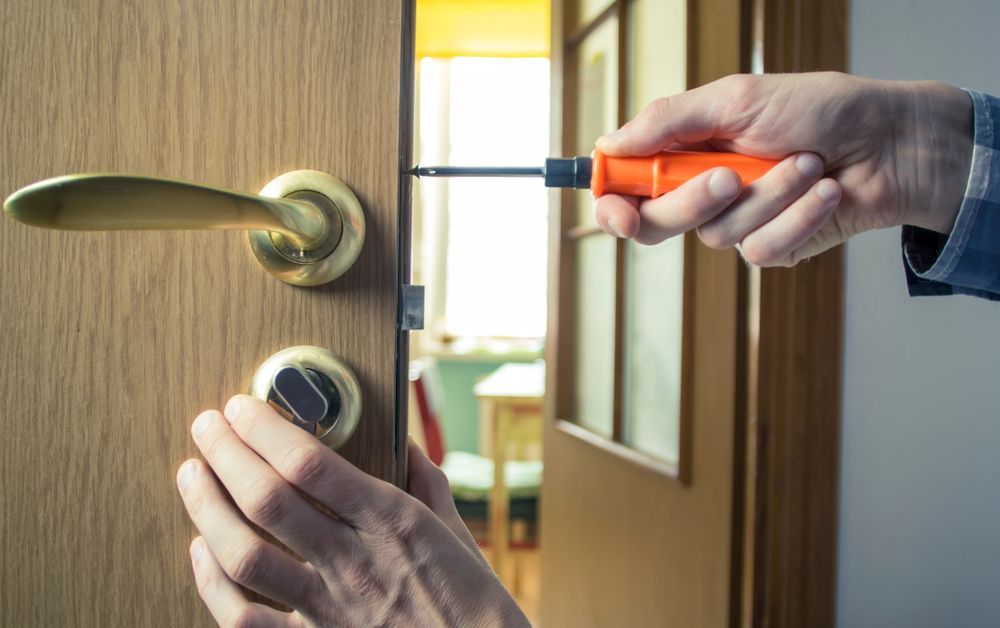
Changing a lock is more comprehensive. The existing lock is removed and replaced with new hardware, which may be necessary if the current lock is damaged, outdated or no longer suitable for the door.
In simple terms:
- Rekeying changes which key operates the existing lock
- Replacing changes the physical lock itself
- Both options can prevent existing keys from continuing to provide access
- The right approach depends on the lock’s condition & your security requirements
This distinction is important when comparing rekeying vs changing locks, as replacing functioning hardware is not always necessary.
When Does Rekeying Make More Sense?
Rekeying is often appropriate when the locks themselves are working properly, but you want to change who can access the property. Instead of installing new hardware, the internal configuration of compatible locks can be altered to accept a different key.
Common situations include moving into a property where previous copies of the keys may still exist or taking control of a rental property following a change of occupants.
You might consider rekeying when:
- You have moved into a property with functional locks
- Keys have been lost or cannot be accounted for
- A tenant has moved out
- Contractors, cleaners or other people previously held keys
- You want several compatible locks to operate from the same key
Knowing when to rekey locks can prevent unnecessary replacement while still addressing concerns about old keys remaining in circulation.
When Is Changing the Locks the Better Approach?
A rekey can change access, but it cannot correct physical problems with the lock itself. If a lock is damaged, heavily worn or no longer meets the property’s needs, replacement may be the more appropriate option.
Changing the hardware also gives you an opportunity to choose a different style or type of lock. This can make sense as part of a broader security upgrade, particularly if the existing hardware no longer suits how the property is used.
A full replacement may be considered when:
- The existing lock is damaged or unreliable
- Keys regularly stick or the mechanism is difficult to operate
- The hardware is visibly worn
- You want a different locking system
- The current lock is unsuitable for the door or intended use
- You are reviewing or upgrading security across the property
A locksmith can inspect the existing hardware before recommending whether it can simply be rekeyed or whether replacement is warranted.
Should You Change Locks When Moving House?
Moving into a property gives you a new set of keys, but it does not necessarily tell you how many other copies have been made over the years. Previous occupants may have supplied spare keys to family members, tradespeople, neighbours or property managers.
For that reason, many people choose to update access after moving. However, the need to change locks when moving house does not automatically mean replacing every lock.
If the existing locks are functional and suitable, rekeying may allow you to make the previous keys unusable while retaining the hardware. Replacement may make more sense where locks are damaged, outdated or you want to change the type of security hardware installed.
Consider:
- Whether all supplied keys can be accounted for
- The age and condition of the existing locks
- Whether different doors currently require multiple keys
- Whether any locks are difficult to use
- Whether you want to upgrade the existing hardware
For renters, changing or rekeying locks may also be subject to the terms of the tenancy and applicable requirements. Before arranging alterations, it is important to check what permissions or notifications are required.
What If Your Keys Have Been Lost or Stolen?
A missing key creates uncertainty because you may not know where it is or who could potentially have access to it. Updating the affected locks removes the usefulness of the missing key.
Where the existing lock remains in good condition, rekeying can often address the issue without replacing the complete lock. The internal mechanism is changed and a new key is provided, leaving the previous key unable to operate the lock.
The situation may call for a different approach if:
- The lock was damaged at the same time
- There are signs of attempted forced entry
- Multiple locks need attention
- The existing hardware already has operational problems
- You were already considering a security upgrade
Whether you need a rekey or complete replacement, residential locksmith services can help determine which approach is suitable for the affected locks.
Rekey vs Replace Locks for Rental Properties
Rental properties can require access changes more frequently than owner-occupied homes. When tenants change, there may be several copies of keys in circulation, particularly where a property has been occupied by different people over time.
Rekeying can provide a practical way to change access while retaining suitable existing locks. This may be useful where multiple locks are in good condition and there is no reason to replace the hardware itself.
Landlords and property managers may need to consider:
- How many keys were originally supplied
- Whether all copies were returned
- The condition of locks between tenancies
- Whether several doors can be keyed more conveniently
- Whether any damaged or ageing locks require replacement instead
Renters may have different considerations. If you are concerned about a lost key, an existing lock or who may hold copies, raise the issue with the landlord or property manager before arranging changes yourself.
When comparing rekey vs replace locks, it helps to separate access control from hardware condition. A change in occupants may justify new keys without necessarily requiring new locks.
How Do Cost and Time Compare?
Lock rekeying cost and replacement pricing vary depending on the type and number of locks, their condition and the work involved. Rather than relying on a single price estimate, it is more useful to consider what you are paying for with each option.
Rekeying generally involves retaining the existing hardware and altering the lock to accept a new key. Replacement adds the cost of the new lock itself and the work required to remove and install the hardware. The type of replacement lock selected can also make a significant difference to the final price.
The time required follows a similar pattern. A straightforward rekey can involve fewer steps because the complete lock is not being replaced. A new lock installation may require additional work, particularly if the replacement hardware differs from what is already fitted.
The overall cost and time can depend on:
- The number of locks requiring attention
- The design and condition of each lock
- Whether the locks are compatible with rekeying
- The type of replacement hardware selected
- Whether several locks are being configured to use one key
- Whether changes are required to accommodate new hardware
When weighing up rekeying vs changing locks, rekeying may be the more cost-effective option where the existing hardware is suitable. Replacement can involve a greater initial expense but may be justified if the current lock is damaged, worn or no longer meets your requirements.
Making the Right Choice for Your Property
The decision ultimately comes down to two separate questions: do you need to change access, or do you need to change the hardware?
If your locks work properly and your main concern is that old, lost or unreturned keys may still provide access, rekeying may achieve what you need. If the lock itself is damaged, worn or unsuitable, replacing it may provide a more appropriate solution. A security upgrade can also be an opportunity to assess whether the existing lock type still suits the door and the way the property is used.
Before deciding, look at:
- Why you want to update the locks
- Whether the current hardware operates correctly
- Who may still possess old keys
- Whether you want to change the type of lock
- Whether multiple entry points need to be addressed together
- Whether you are addressing access control or broader security concerns
There does not have to be one answer for the entire property. Some functioning locks may only require rekeying, while damaged or unsuitable hardware may be better replaced.
Talk to a Local Locksmith About Your Locks
We at CTS Locksmiths can assess your existing locks and explain whether rekeying or replacement is appropriate for your circumstances. As a locksmith across the Sunshine Coast, we can help with changing access after a move, lost keys, tenant turnover or a broader review of your property’s locks.
Not sure whether to keep your existing hardware or replace it? Get in touch to discuss your locks and the most practical option for your property.